Thursday, 18 December 2014

Tuesday, 16 December 2014

Monday, 15 December 2014
Value - Enthusiastic
Starting on Monday 12th of January, we will be working on the value Enthusiastic at school. 'Children with enthusiasm tend to enjoy learning, exploring and broadening their horizons. Their passion for life is expressed in many different ways, from a positive attitude to an open mind that likes to take in as much information as possible...'
This webpage will give you tips on how to motivate your child to be enthusiastic:
http://www.livestrong.com/article/1002416-motivate-child-enthusiastic/

Saturday, 13 December 2014

Monday, 8 December 2014
Sunday, 7 December 2014
COMPRENSIÓN LECTORA
Comprensión lectora
Escoge una de las lecturas y contesta las preguntas al final de la lectura. Puedes ver cuánto puntaje obtienes al final de tus respuestas.


Escoge una de las lecturas y contesta las preguntas al final de la lectura. Puedes ver cuánto puntaje obtienes al final de tus respuestas.


Wednesday, 3 December 2014
Behind the News: Game FX


Go tohttp://www.abc.net.au/btn/story/s4112973.htm and complete the questions in sentences by Wednesday 11th December 2014.
1. In your own words, describe what the kids in the Gaming FX story are doing.
2. What is your favourite video game? Why?
3. What sort of game are the kids creating?
4. Briefly explain how the kids created their games.
5. A green screen is also known as ________________.
6. How does it work?
7. Which animation technique are they using?
8. Give an example of a film that uses the technique.
Check out Nathan’s explanation of how a green screen works
http://abc.net.au/btn/video/rookies/jargon-greenscreen.mp4
Sports Day

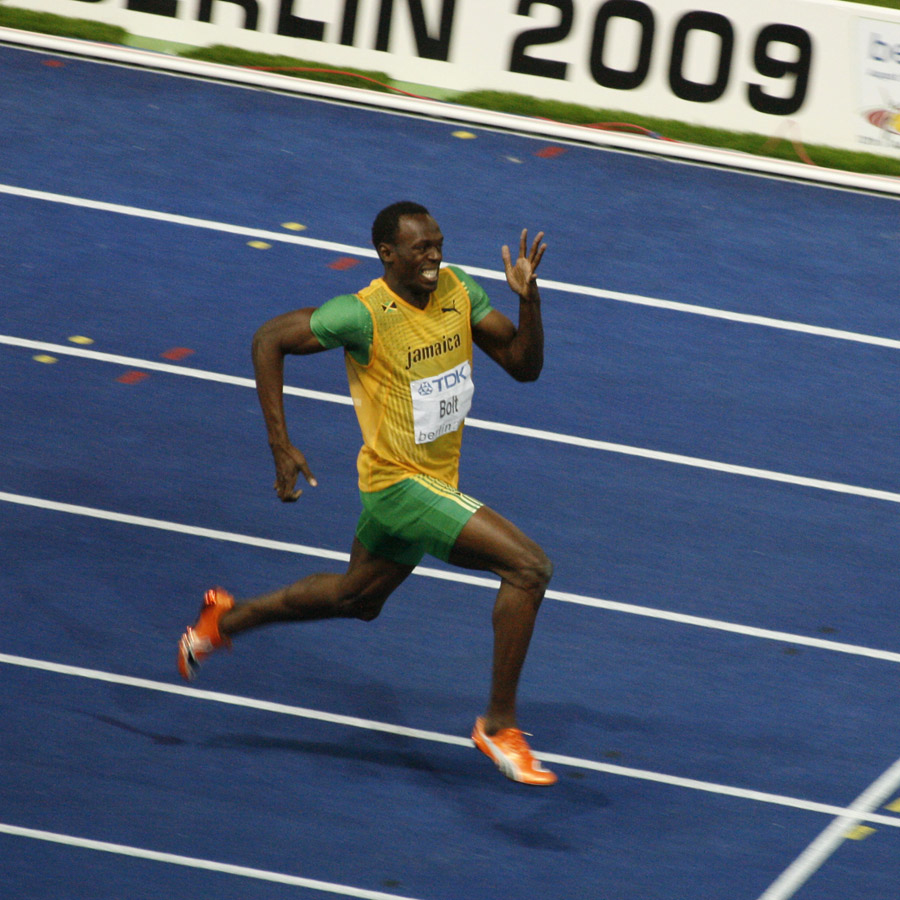


The Sports Day for grade 4 and 5 this year will be on Saturday 31st January 2015 from 10:00 to 11:30.
Tuesday, 2 December 2014
Dictado para lunes 8 de diciembre
hora.- una de las horas del día
- ora.- de orar
- deshecho.- de deshacer
- desecho.- de desechar
- casa.- vivienda
- caza.- acción de cazar.
- mesa.- mueble
- meza.- de mecer.
- cauce.- conducto por donde corre el agua
- cause.- de causar.
- intensión.- intensidad
- intención.- propósito
- baca.- parte superior de un carruaje
- vaca.- hembra del toro.
- baso.- del verbo basar, por ej. se basó
- vaso.- recipiente para líquidos
- bazo.- víscera del cuerpo
- bello.- hermoso
- vello.-Pelo suave del cuerpo humano.
- bidente.- de dos dientes
- vidente.- que ve el futuro
- ora.- de orar
- deshecho.- de deshacer
- desecho.- de desechar
- casa.- vivienda
- caza.- acción de cazar.
- mesa.- mueble
- meza.- de mecer.
- cauce.- conducto por donde corre el agua
- cause.- de causar.
- intensión.- intensidad
- intención.- propósito
- baca.- parte superior de un carruaje
- vaca.- hembra del toro.
- baso.- del verbo basar, por ej. se basó
- vaso.- recipiente para líquidos
- bazo.- víscera del cuerpo
- bello.- hermoso
- vello.-Pelo suave del cuerpo humano.
- bidente.- de dos dientes
- vidente.- que ve el futuro
Monday, 1 December 2014
Spelling List Week 3 CAL
2
port - to carry - import, export,
transport, portable, report, portfolio, important, deport
multi - many - multiply,
multiplication, multiple, multimedia, multitude, multicultural,
multimillionaire, multivitamin
ject - to throw - object, project,
projectile, trajectory, subject, interject, reject
Saturday, 29 November 2014
Dictado para lunes 1° de diciembre
había.- de haber
- avía.- de aviar, preparar, arreglar, disponer.
- habría.- de haber
- abría.- de abrir
- hacía.- de hacer
- asía.- de asir; de tomar.
- haremos.- de hacer
- aremos.- de arar
- haz.- de hacer
- as.- naipe de baraja
- has.- de haber
- hasta.- preposición
- asta.- cuerno, mástil.
- hay.- de haber
- ¡Ay!.- interjección que denota dolor.
- hecho.- de hacer
- echo.- de echar
- avía.- de aviar, preparar, arreglar, disponer.
- habría.- de haber
- abría.- de abrir
- hacía.- de hacer
- asía.- de asir; de tomar.
- haremos.- de hacer
- aremos.- de arar
- haz.- de hacer
- as.- naipe de baraja
- has.- de haber
- hasta.- preposición
- asta.- cuerno, mástil.
- hay.- de haber
- ¡Ay!.- interjección que denota dolor.
- hecho.- de hacer
- echo.- de echar
hojear.- Pasar las
hojas de un libro
- ojear.- Echar una mirada rápida.
- hola.- Saludo
- ola.- movimiento del mar
- ojear.- Echar una mirada rápida.
- hola.- Saludo
- ola.- movimiento del mar
RECORDATORIO: Traer un pliego de cartulina de cualquier color
Friday, 28 November 2014
Wednesday, 26 November 2014
Behind the News
Species List

Go to http://www.abc.net.au/btn/story/s4131949.htm and complete the questions in sentences by Wednesday 19th November 2014.
1. How many species have become extinct over the past 50 years?
a. 432
b. 632
c. 832
2. What does `the Red List’ tell us?
3. What does it mean if an animal is extinct?
4. If an animal is extinct in the wild, it means...
5. About how many species are critically endangered?
6. Give an example of an endangered species.
7. What has caused so many species to be threatened?
8. What can be done to stop more species becoming extinct?
Tuesday, 25 November 2014
Fundraising activity by 5th Guzman
Come and watch the funniest Christmas season movie ever with your friend!

When: Wednesday 26th of November
Time: 2.00 to 4.00 pm
Where: Mini Theatre - Lecture Theatre
Price: $1 or $1.50 if you would like pop corn
Come and join us!!!
Sunday, 23 November 2014
This is a sample of the results from a lesson about Poetry written last week by my class. Note the use of similes, metaphors and personification.
 The sun hides behind the clouds
The clouds go back in time to the 80´s
and turn grey.
Clouds start to cry ,
raindrops turn from small to big,
from thin as a giraffe
to something as thick as an elephant.
My garden is happy. It´s drinking water.
I open my window
and enjoy the rest of the rain.
I look up at the sky,
the only thing I see is a dark sky
full of little dots named raindrops.
I´m thirsty, I´ll drink water.
I close my eyes and enjoy the last
moments of the rain...
Then ... it ends.
By:Alejandro López (5th Linares)
The sun hides behind the clouds
The clouds go back in time to the 80´s
and turn grey.
Clouds start to cry ,
raindrops turn from small to big,
from thin as a giraffe
to something as thick as an elephant.
My garden is happy. It´s drinking water.
I open my window
and enjoy the rest of the rain.
I look up at the sky,
the only thing I see is a dark sky
full of little dots named raindrops.
I´m thirsty, I´ll drink water.
I close my eyes and enjoy the last
moments of the rain...
Then ... it ends.
By:Alejandro López (5th Linares)

Friday, 21 November 2014
Thursday, 20 November 2014
Wednesday, 19 November 2014
Behind the News

Child Rights
Go to http://www.abc.net.au/btn/story/s4126803.htm and complete the questions in sentences by Wednesday 19th November 2014.Also do the "Which Right is Right?" challenge underneath the video.
1. What is Josh’s role with UNICEF?
2. Which organisation set up the Convention on the Rights of the Child?
3. How many years ago were the Rights of the Child set up?
4. What do you think is meant by a `right’?
5. What sorts of things are covered in the Rights of the Child?
6. What do you think is an important right for all children to have? Explain your answer.
7. Which right is important to you? Why?
8. Why is there still more work to be done protecting children’s rights?
9. Whose job is it to make sure kids’ rights are protected?
10. How did you feel watching this story?
.jpg)
Tuesday, 18 November 2014
Monday, 17 November 2014
Being Reflective - Value of the month
What is being Reflective?
Being Reflective is, in its simplest
form, thinking about or reflecting on what you do. It is closely linked to the
concept of learning from experience, in that you think about what you did, and
what happened, and decide from that what you would do differently next time.
Thinking
about what has happened is part of being human. However, the difference between
casual ‘thinking’ and ‘being reflective’ is that being reflective requires a
conscious effort to think about events, and develop insights into them. Once
you get into the habit of being reflective, you will probably find it useful.
Thinking about what has happened is part of being human. However, the difference between casual ‘thinking’ and ‘being reflective’ is that being reflective requires a conscious effort to think about events, and develop insights into them. Once you get into the habit of being reflective, you will probably find it useful.

Spelling - Greek Roots Again
auto - self - automobile,
automatic, autopilot, autograph, autofocus, autobiography
phobia - fear - aquaphobia,
aerophobia, zoophobia, claustrophobia, arachnophobia, nyctophobia
graph - write - photograph,
geography, graphite, choreography, cinematography, cartography
Sunday, 16 November 2014
LA POESÍA
Durante estas dos semanas del 17 al 28 de noviembre estudiaremos los
siguientes temas:
1. La poesía.
2. Rima
consonante y rima asonante.
3. Figuras
literarias: la metáfora, símil, personificación, anáfora.
4. Conteo de
sílabas y las leyes del acento final.
Te recuerdo que los dictados de las siguientes
semanas serán sobre las palabras homófonas
Dictado para el
lunes 24 de noviembre
-a.-
preposición
-ha.- del verbo haber
-ablando.- del verbo ablandar
-hablando.- del verbo hablar
-halla.- de hallar
-haya.- de haber
-haya.- especie de árbol.
- abollar.- hacer abolladuras
- aboyar.- colocar boyas en mares o ríos
- arrollo.- de arrollar, atropellar.
- arroyo.- Pequeña corriente de agua.
-asar.- por ej. de asar carne
-azar.- que significa casualidad
-bacilo.- bacteria
-vacilo.- de bacilar, titubear
- calló.- de callar.
- cayó.- de caer.
- callo.- dureza de la piel.
- cayo.- Islote o peñasco.
- rallar.- Desmenuzar el pan u otra cosa con el rallador.
- rayar.- Trazar rayas; tachar con rayas. Pagar a los obreros su jornal.
- valla.- cerco de madera
- vaya.- de ir, se usa también como interjección.
-ha.- del verbo haber
-ablando.- del verbo ablandar
-hablando.- del verbo hablar
-halla.- de hallar
-haya.- de haber
-haya.- especie de árbol.
- abollar.- hacer abolladuras
- aboyar.- colocar boyas en mares o ríos
- arrollo.- de arrollar, atropellar.
- arroyo.- Pequeña corriente de agua.
-asar.- por ej. de asar carne
-azar.- que significa casualidad
-bacilo.- bacteria
-vacilo.- de bacilar, titubear
- calló.- de callar.
- cayó.- de caer.
- callo.- dureza de la piel.
- cayo.- Islote o peñasco.
- rallar.- Desmenuzar el pan u otra cosa con el rallador.
- rayar.- Trazar rayas; tachar con rayas. Pagar a los obreros su jornal.
- valla.- cerco de madera
- vaya.- de ir, se usa también como interjección.


Friday, 14 November 2014

Thursday, 13 November 2014
Behind the News

Greenhouse Gases
Go to http://www.abc.net.au/btn/story/s4122664.htm and complete the questions in sentences by Wednesday 19th November 2014.
1. Name a greenhouse gas.
2. How do greenhouse gases affect the temperature on earth?
3. Greenhouse gases are a natural part of the earth’s climate system. True or false?
4. How are greenhouse gases like blankets?
5. What do energy sources like coal and petrol release into the atmosphere?
6. Scientists say that greenhouse gases have risen to their highest level in
________________ years.
7. What impact could increased temperatures have on the planet?
8. How do trees help reduce the amount of carbon dioxide in the atmosphere?
9. What can people do to help reduce the amount of greenhouse gases in the atmosphere?
Monday, 10 November 2014
Spelling words - Greek Roots
mono - one -
monochromatic, monocle, monocycle, monologue, monopoly, monorail, monotony
phon - sound –
telephone, earphones, headphones, homophone, megaphone, saxophone, symphony
tele
– far – telecast, telecommunication, telecommute, telemarketer, teleport,
telescope, television
Sunday, 9 November 2014
El Verbo
En
la semana del 10 al 14 de noviembre
estaremos estudiando lo siguiente:
·
El
verbo el modo indicativo
·
Uso
de la b y v
·
Escribir
guiones teatrales.
Recuerda:
1. Repasar para los dictados
semanales
2. Cambiar el libro de lectura si ya
lo terminaste de leer
3. El guión teatral lo iniciaremos
escribiendo en clase y lo tienes que terminar en casa lo puedes escribir a
computadora.
4. Con respecto a la tarea de las
palabras homófonas debes hacer las correcciones sugeridas por tu maestra en clase.
Dictado

Puedes
consultar los siguientes enlaces:


Ejercicio
con el uso de la B y V

Thursday, 6 November 2014
Multiply by 10, 100 and 1000 - Thursday Maths homework
Practice multiplying by 10, 100 and 1000 with these activities:
http://mathsframe.co.uk/en/resources/resource/31/multiply_and_divide_by_10_100_and_1000_2_
http://mathsframe.co.uk/en/resources/resource/31/multiply_and_divide_by_10_100_and_1000_2_
Wednesday, 5 November 2014
Behind the News

Rabbit Restrictions
Go to http://www.abc.net.au/btn/story/s4112295.htm and complete the questions in sentences by Wednesday 12th November 2014.
1. Why are pet rabbits banned in Queensland?
2. What are the penalties if you are found to have a pet rabbit?
3. Why were rabbits introduced by European settlers?
4. What damage can they do?
5. Within two years, 2 rabbits can become ____________.
6. What methods have been used in the past to get rid of rabbits?
7. How would microchipping and desexing rabbits help?
8. Do you think pet rabbits should be allowed in Queensland? Why or why not?
Monday, 3 November 2014
Spelling - Greek Roots
aqua - water - aqua, aquarium, aquatic, aqueduct, aquanaut, Aquarius
aud - to hear - audio, auditorium, audience, auditorium, audible, audiobook, applaud
cent - hundred - cent, centimetre, percent, percentage, century, centenary, centipede
aud - to hear - audio, auditorium, audience, auditorium, audible, audiobook, applaud
cent - hundred - cent, centimetre, percent, percentage, century, centenary, centipede
Sunday, 2 November 2014
TEXTO TEATRAL
Durante esta semana del 3 al 7 de noviembre estaremos
estudiando lo siguiente:
El texto Teatral
Uso de la B y V
Recuerda
. Estudiar para los dictados de los días lunes, la
lista está en el blog.
. Leer todos los días durante 15 minutos el libro
que has seleccionado para la cal 1 tienes que haber leído un promedio de diez
libros.
. La tarea de las palabras homófonas es para el
día viernes 7 de noviembre no la tienes que enviar solo tenerla en tu correo
lista para cuando la tengas que presentar.
- Próxima tarea: Escribir un guión teatral. Fecha de
entrega; viernes 14 de noviembre
Consulta los siguientes enlaces:

Haz click aqui-------> Texto teatral

Haz click aqui-------> Uso de la B
DICTADO

Thursday, 23 October 2014
Entry Point Activity
Please look for your name, your homework is to look for 5 facts about the God of the group you belong to. Due Friday 24th of October.


How to raise independent and responsible children
Here are ten ways to encourage independence and responsibility in your children, from the simple to the more complex ::
- Allow your children pick out their clothes and dress themselves at an early age. For us this meant that we sometimes went out in public with mismatched and backward clothes, and shoes on the wrong feet. You know what? They don’t care and neither should you.
- Middle school age children are old enough to set their alarm and get out of bed on their own on school days. They should also make their own breakfast AND pack their own lunch. Oh, and do their homework without any reminders.
- Have a list of daily chores for each of your children, with clear guidelines. Ours receive an allowance for completing chores ,only if they are not reminded constantly to do said chores. Not only does this show the value of hard work, but it also is a good lesson in self government.
- Limit media time. Often do our kiddos tell us they are bored, but then they must find something to do to occupy their time, otherwise they are given extra chores to complete with no additional pay.
- Follow through on your word. We show by example that when one makes a promise one assumes the responsibilty to follow through on that promise. We make no promise we can not keep.
- Encourage questions. While none of children are allowed to argue with us, or ask why, when given a task, they are encouraged to come to us and discuss their thoughts on any situation after they display obedience. We feel this encourages open communication and an environment that allows for them to feel safe even when they disagree.
- Give opportunity for open discussion. We talk about an assortment of topics with our children. We share our thoughts and opinions and allow for our children’s opinions to be expressed, without shaming or the pressure to conform to our opinions. In our house there is a clear line between fact and opinion.
- Stress the importance of thinking through any ideas or decisions before action is taken. Are my thoughts and intentions pure? Will this be acceptable speech or behavior?There are certainly consequences for all of our decisions, whether good or bad.
- No punishment or discipline takes place without discussing the offense in question. Why did you make the decision to call your brother names? Why were you disobedient?
- Give your children age-appropriate freedom so they can make their own decisions and learn from their mistakes. I am no helicopter mom. I don’t hold my toddler’s hand as he climbs the steps to the slide. I let my older children ride their bikes to the basketball court, and my little guys play out back without me.
How do you encourage independence and responsibilty in your children as they grow and mature?
In Upper Primary we will be working with the value Independent from the 13th of October to the 14th of November - please encourage this at home!
Subscribe to:
Posts (Atom)